Wilderness Adventure Risk Management: The Key to Safe and Successful Expeditions
Embarking on a wilderness adventure can be one of the most rewarding experiences, offering a chance to connect with nature, test limits, and create unforgettable memories. Whether you’re leading a group on a sea expedition, trekking through icy terrains, or navigating hot and arid environments, proper risk management is essential for safety and success. Being prepared for the unpredictable nature of wilderness environments not only protects your group but also enhances the overall experience.


The Importance of Being Prepared
Wilderness adventures inherently carry risks due to environmental unpredictability, wildlife encounters, and potential human errors. Many of these risks are manageable, but only if they are identified and mitigated in advance. Proper preparation involves understanding the environment, assessing potential hazards, and establishing protocols to address emergencies.
When leading groups, the responsibility extends beyond personal survival — it encompasses the safety and well-being of everyone involved. Proper risk management ensures that you, as a leader, create a safe framework that allows the group to enjoy the experience while minimizing dangers.
Environmental Considerations and Risks
Different environments present unique challenges. For example:
- Sea expeditions: Risks include rough waters, sudden weather changes, and equipment failure. Navigational errors or inadequate provisioning can lead to dangerous situations.
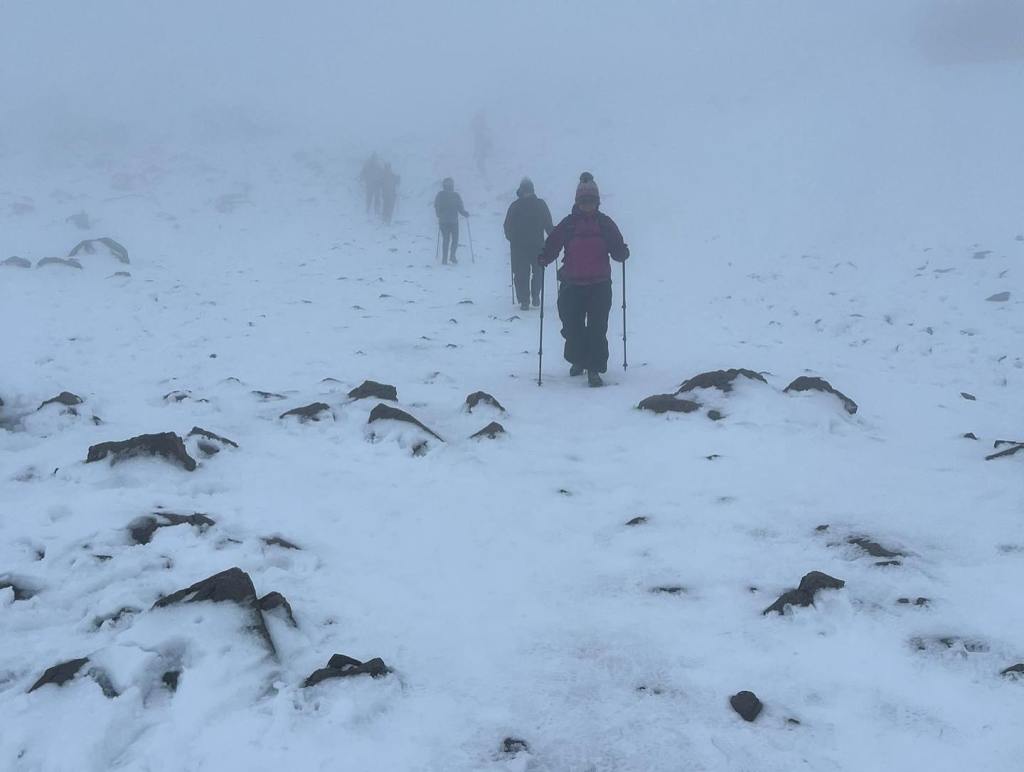
- Cold environments: Icy terrains, hypothermia risk, and crevasse hazards demand specialized gear and knowledge. Unexpected weather shifts can be life-threatening.
- Hot environments: Dehydration, heatstroke, and sunburn are common concerns. Navigating through arid landscapes also poses challenges such as limited water sources and heat exhaustion.
Understanding these specific risks is vital for effective planning. Each environment requires tailored safety measures, equipment, and strategies.
Planning and Preparation
Effective risk management begins well before the expedition starts. Key steps include:
- Pre-Trip Planning: Conduct detailed route planning, gather weather forecasts, and study environmental conditions. Obtain necessary permits and ensure communication devices are functional.
- Risk Assessment: Identify potential hazards specific to the environment and group. Consider factors such as weather, terrain, wildlife, and group skill levels.
- Gear and Equipment: Ensure all participants have appropriate gear suited to the environment — insulated clothing, waterproof gear, sun protection, navigation tools, and emergency kits.
- Training and Skills: Confirm that participants have the necessary skills for the terrain and conditions, such as navigation, first aid, and survival techniques.



Leading with Safety in Mind
As a leader, your role is to maintain vigilance and foster a safety-first mindset. Some best practices include:
- Briefing the Group: Conduct comprehensive safety talks covering potential risks, emergency procedures, and behavior expectations.
- Monitoring Conditions: Continuously assess environmental changes and be prepared to modify plans accordingly.
- Establishing Emergency Protocols: Define clear emergency procedures, including evacuation routes, communication plans, and roles.
- Maintaining Communication: Ensure reliable communication devices are available and functional. Establish check-ins and emergency contacts.
Training and Practice
Regular drills and simulations improve response times during real emergencies. Encourage team members to participate in safety training sessions, focusing on CPR, first aid, and rescue techniques. This preparedness can make a critical difference in crisis situations.
The Long-Term Benefit of Risk Management
Implementing thorough risk management practices not only reduces the likelihood of accidents but also builds confidence within the group. Participants feel safer and more secure, allowing them to focus on appreciating the wilderness experience fully. Additionally, well-managed trips foster repeat participation and positive reputation for your guiding or adventure business.
Conclusion
Wilderness adventure risk management is an integral part of leading successful expeditions across diverse environments. Preparation, environment-specific strategies, effective communication, and ongoing training are vital components. By prioritizing safety, leaders can ensure that their groups not only enjoy the thrill of adventure but do so with minimized risk. Remember, the wilderness is unpredictable — but with proper planning and vigilance, you can turn potential hazards into manageable challenges, ensuring everyone’s safety and creating a memorable adventure for all.


 STVE Training
Leave a comment